
Could micro-dosing Psilocybin help people with anxiety? A new study says it’s worth investigating
Researchers are launching a fascinating new trial that could shine fresh light on whether tiny, non-hallucinogenic doses of psilocibin — the active compound in magic mushrooms — might help people with generalized anxiety disorder (GAD).
The study is based at the Kingston Health Sciences Centre Research Institute, Ontario. It will be led by Dr. Claudio Soares (professor of psychiatry at Queen’s University). It’s being billed as the first Phase 2 clinical trial approved by Health Canada to explore the effects of daily low-dose psilocybin (i.e., so low it does not trigger classic “trip” effects).
“They have that mystical experience and changes in their perception of their environment — what we call a trip,” says Dr. Soares, who also directs the Centre for Psychedelics Health and Research at Kingston’s Providence Care Hospital.
“That is not for everybody. Some people cannot tolerate that effect of psychedelics.”
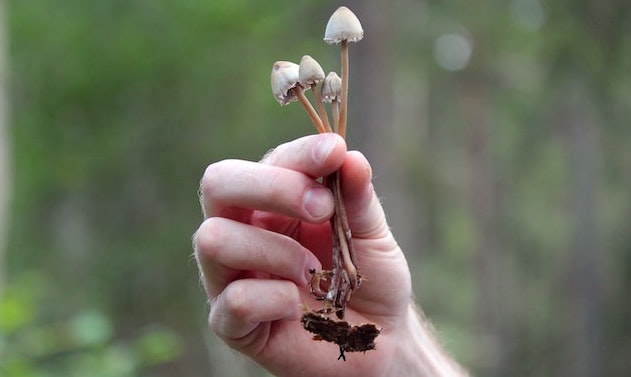
Soares explains that most previous psychedelic studies have focused on much higher (“macro”) doses of psilocybin. These doses that produce hallucinatory or profoundly altered states of consciousness, and so require participants to be monitored in a clinical setting for hours. This new study asks: what if you can reduce the dose so much that you get none of the hallucinatory “trip” effect, yet still get the therapeutic benefit?
Study Design: How the Kingston Trial Works
So whats the plan?
- Up to 60 adults with debilitating generalized anxiety disorder, (but without other major medical conditions) will take part.
- For the first four weeks: each participant will take a small dose of psilocybin — around 2-3 mg per day — at home.
- After that, for another four weeks: participants will be randomly assigned either to več microdoses of psilocybin or to a placebo.
- The goal: see how well people do during that first month, then assess whether anxiety symptoms return, and whether any withdrawal or rebound occurs when switching to the second phase. If results are promising, this could pave the way for a larger Phase 3 trial.
Dr. Soares says:
“It’s not that uncommon to come across someone that says, ‘Oh, I’ve been microdosing with psilocybin and I’m feeling much better.’”
He emphasises, though, that anecdote is ne the same as a controlled trial — which is why this study is so important.
Why Now? Anxiety is On the Rise
According to the researchers, rates of generalized anxiety disorder among people aged 15 and older have more than doubled in Canada — from 2.6 % to 5.5 % between 2012 and 2022. Globally, the stats have increased by 52% between 1990 and 2021.
With traditional treatments (antidepressants, psychotherapy) working for many but not all, there’s increasing interest in new approaches.

Dr. Tyler Kaster, psychiatrist and medical head of the Temerty Centre for Therapeutic Brain Intervention at Centre for Addiction and Mental Health in Toronto, calls the psilocybin proposal “a really interesting idea.” However, he also notes, “The whole field of psychedelics has a lot of promise. There’s also a lot of enthusiasm, and we need to figure out what, if any, role these treatments have.”
Beyond the Study: What is Microdosing and Why is it Appealing?
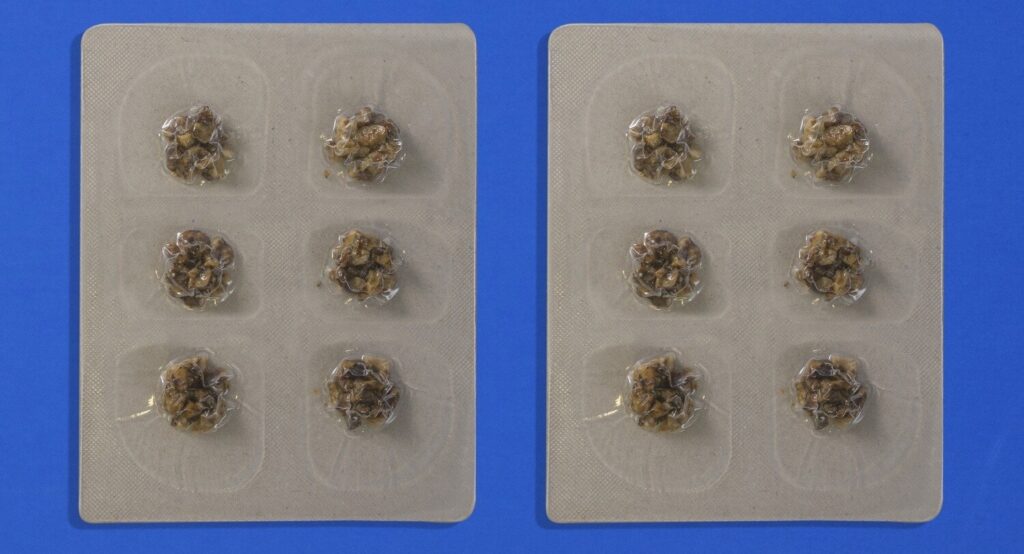
If you’re new to this, mikrodoziranje is the practice of taking very low, sub-hallucinogenic doses of a psychedelic substance. So low that you don’t experience a “trip”, but do experience subtle shifts in mood, cognition or perception. For instance, many users of psilocybin report less anxiety, improved mood, increased fokus ali ustvarjalnost, without dramatic visual or sensory changes.
In one large observational study published in Znanstvena poročila, 953 people who microdosed psilocybin were followed for ~30 days and compared with 180 non-microdosers. The microdosing group showed small to medium improvements in mood and mental health, consistent across age and gender. The researchers also noted the limitations (it was naturalistic, self-selected, not fully controlled).
Benefits reported in community surveys include: improved mood and emotional well-being, enhanced focus and productivity, increased creativity, reduced anxiety and rumination.
What Might Microdosing Offer for Anxiety?
Here’s why researchers think microdosing might make sense for anxiety:
- Psilocybin interacts with serotonin receptors in the brain (notably the 5-HT2A receptor), involved in mood regulation and emotional response. Some pregledi suggest even low doses may help balance neurotransmitter systems tied to anxiety.
- For people who find full “trip” experiences (macrodoses) too intense, microdosing offers a gentler route. Fewer altered states, less interruption to daily life, potentially lower risk of adverse effects.
- Because anxiety often involves rumination, hyper-vigilance, a sense of being ‘stuck’, low-dose psychedelics may help to open up new ways of thinking, reduce rigidity, calm the nervous system.
Back to the Kingston Study: Why it Matters

The Kingston trial stands out because it brings microdosing v . a rigorous clinical setting for anxiety (not just self-reported results). By randomising participants, using placebo control, and focusing on a defined clinical population (GAD), the researchers are addressing many of the gaps in existing research. If it shows benefit — even modest — it could open a new therapeutic path, especially for people who aren’t helped by existing treatments.
Dr. Soares emphasises the bigger goal:
“They (psychedelics) have been used recreationally or religiously for many, many years or centuries. But they have a medicinal value, a therapeutic value, that we need to study. Because if we don’t study, it remains in the underground — and then we don’t know exactly how to use them safely.”
In short: Well-designed research helps move psychedelics from fringe to mainstream in the best possible way — ensuring safety, dose accuracy, understanding of who benefits and who doesn’t.




 Slovenian
  English
  Chinese
  Czech
Czech  Danish
  Dutch
Dutch  Estonian
  Finnish
  French
  German
  Hungarian
  Italian
  Japanese
  Latvian
  Lithuanian
  Polish
  Portuguese
  Romanian
  Slovak
  Spanish
  Swedish